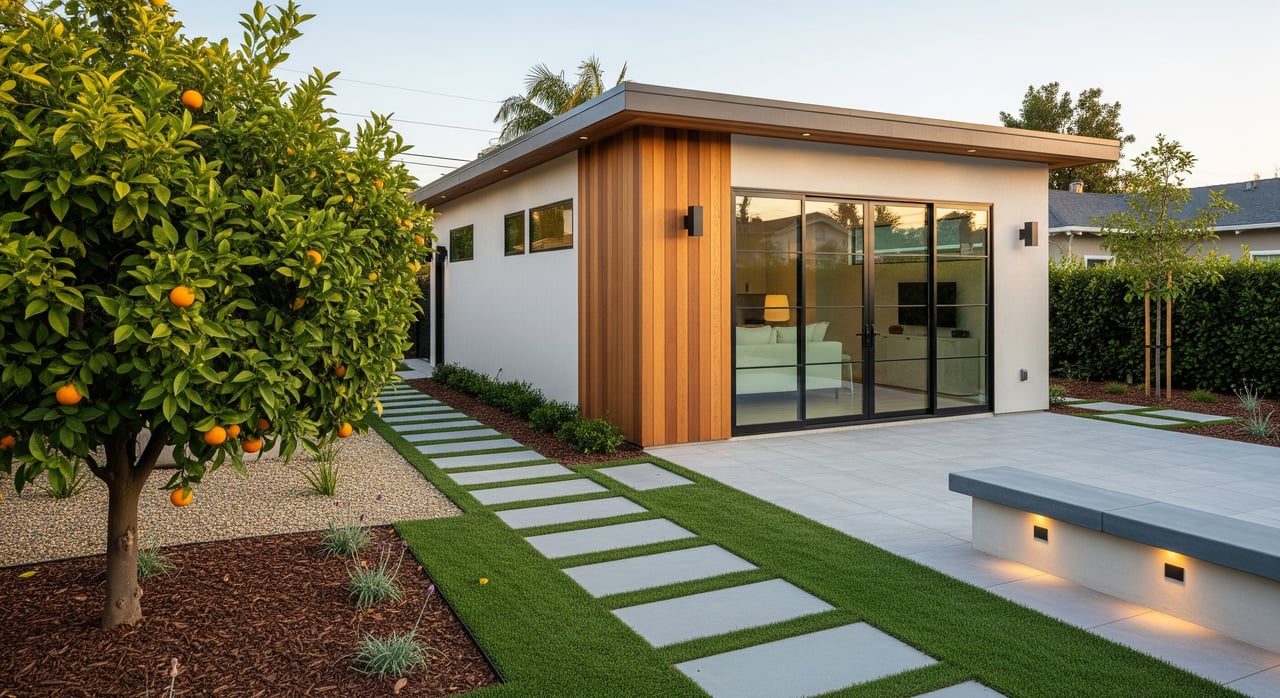
Thinking about adding an accessory dwelling unit to your Orange home but unsure where to start? You’re not alone. Between state rules and local standards, it can feel complicated. The good news is California has streamlined ADUs, and the City of Orange follows objective, ministerial review that makes approvals more predictable. In this guide, you’ll learn what the rules mean for you, how the process works step by step, the biggest timeline and cost drivers, and smart ways to keep your project on track. Let’s dive in.
ADU basics in California
California strongly supports ADUs and limits many local barriers. State law requires ministerial review for most ADUs, which means your permit is reviewed against objective standards rather than discretionary opinions. You can build a detached ADU, an attached ADU, or convert existing space like a garage or attic. Junior ADUs are smaller units that typically convert a bedroom and have different size and kitchen limits.
For a solid overview, start with the California Department of Housing and Community Development’s ADU guidance. It explains statewide rules, including parking reductions in specific cases and fee limitations for smaller units. You can also review the governing statute in Government Code section 65852.2 and applicable construction rules in California’s Building Standards Code, Title 24.
- Review statewide ADU guidance from California HCD.
- See the statute in Government Code 65852.2.
- Check construction requirements in California Building Standards, Title 24.
City of Orange rules at a glance
State law sets the baseline, and the City of Orange applies local objective standards for things like height, setbacks, and lot coverage. You do not need a discretionary use permit for most ADUs. That said, you still must meet safety and building code rules, and homes in historic areas can have additional objective review. Short-term rentals are regulated locally, so always confirm the current policy.
For the latest submittal checklists, fees, and contacts, visit the City of Orange official website and navigate to the Planning Division or Building and Safety pages. City staff can confirm any special conditions related to your site, including utility connections or historic status.
Step-by-step process in Orange
Use this roadmap to plan your project from concept to move-in.
1) Initial feasibility: site fit
- Choose your ADU type: conversion, attached, detached, or a JADU.
- Confirm zoning and objective standards with the City of Orange Planning Division.
- Check utilities early. Verify sewer and water availability or whether you are on septic.
- Flag special conditions. Ask about flood, fire hazard, or historic overlays.
Typical timeline: 1 to 4 weeks.
2) Preliminary design and costing
- Engage an architect or designer, or explore any pre-approved plans the city accepts.
- Design to meet setbacks, height limits, size caps, and Title 24 building standards.
- Request preliminary contractor estimates, including utility hookup costs.
Typical timeline: 2 to 6 weeks.
3) Pre-application meeting
- Schedule a pre-application or plan-intake consult if available.
- Use this to validate standards, documents, and any site-specific issues.
Typical timeline: 1 to 3 weeks.
4) Permit application and plan check
- Submit your planning and building packet for ministerial review.
- Expect at least one plan-check round with comments and revisions.
- Projects without special approvals usually move faster. Coastal or complex utility issues can extend review.
Typical timeline: 4 to 12 or more weeks.
5) Permit issuance and utility coordination
- Pay fees and pull the building permit once plans are approved.
- Coordinate separate permits or appointments with water, sewer, and electrical providers if upgrades or new connections are needed.
Typical timeline: 2 to 6 or more weeks.
6) Construction
- Conversions and JADUs often build faster.
- Detached new construction takes longer due to site work, foundations, and full systems.
Typical timeline: 3 to 9 months. Simple conversions can take 1 to 3 months.
7) Inspections and final sign-off
- Schedule inspections for framing, mechanical-electrical-plumbing, and final.
- Receive the final sign-off and certificate of occupancy as applicable.
Typical timeline: 1 to 4 weeks.
Timeline and cost drivers
Every site is different, but a few factors consistently affect schedule and budget.
What speeds up or slows down your timeline
- Project complexity. Conversions usually move faster than new detached builds.
- Plan-check cycles. Each revision can add 1 to 4 weeks.
- Special conditions. Historic areas, environmental constraints, or utility capacity issues add time.
- Contractor scheduling. Subcontractor availability can create bottlenecks.
- Utility lead times. New water meters, sewer laterals, or electrical upgrades require coordination.
What drives costs up or down
- ADU type and size. Detached units cost more than conversions.
- Site work. Grading, retaining walls, and drainage can add significantly.
- Utilities. New laterals, trenching, or service upgrades increase costs.
- Code requirements. Fire protection and rated assemblies vary by zone and code.
- Fit and finish. Kitchens, baths, cabinetry, and appliances shift budgets.
- Fees. Plan check and building permit fees apply. Some impact or connection fees may be reduced for smaller ADUs under state rules.
For a realistic budget, compare at least two local contractor bids and ask the city about fee schedules that apply to your unit size.
Parking, fees, and rentals
Parking rules can be reduced or waived in specific circumstances, such as proximity to transit. State law also sets limits on certain impact fees for smaller ADUs, though you should still plan for building permits, plan check, and utility fees. Short-term rental policies are local. Always confirm the current rules on ADU rentals and parking with the City of Orange. Use the City of Orange website as your starting point for up-to-date standards and contacts.
Special cases: coastal, septic, and historic
- Coastal zone. Some Orange County cities in the coastal zone require additional review under a Local Coastal Program. If you are considering an ADU outside Orange in a coastal city, check the city’s coastal guidance and the California Coastal Commission for process steps.
- Septic systems. Properties on septic may face capacity limits or require upgrades. Confirm requirements early with local environmental health authorities and budget for possible improvements.
- Historic properties. In historic districts or designated properties, expect objective standards that focus on preservation while complying with state ADU law.
Pro tips to streamline your ADU
- Start with a checklist. Confirm objective standards with planning staff before design.
- Lock utilities early. Get will-serve letters or estimates so utility work does not delay construction.
- Consider conversions first. They are often quicker, with fewer sitework costs.
- Use pre-approved plans when available. Standardized plans can shorten plan check.
- Build in contingency. Reserve 10 to 20 percent for plan-check revisions or construction surprises.
- Verify rental and HOA rules. State law shapes what HOAs can restrict, but community rules still matter.
How The Jesse Group can help
An ADU is part real estate strategy and part construction project. You deserve a partner who can help you move from concept to occupancy with fewer handoffs and surprises. The Jesse Group’s senior-led team combines negotiation experience with access to escrow, lending and title coordination, and licensed-builder renovation to reduce friction and accelerate outcomes.
Here is how we support ADU-focused homeowners and investors in Orange County:
- Coordinate your vendor team. We can help you shortlist local architects, designers, and licensed contractors with ADU experience in Orange.
- Prep for planning. We assist with pre-application scheduling and submittal readiness to minimize plan-check cycles.
- Manage the moving parts. From contractor bids to utility coordination, we keep timelines tight and communication clear.
- Track milestones. We monitor plan-check comments, inspections, and permit steps so your project stays on schedule.
Ready to map your ADU strategy in Orange and get a realistic timeline and plan? Connect with The Jesse Group for a focused consultation.
FAQs
How long does it take to permit an ADU in the City of Orange?
- For ministerial ADUs with complete plans, plan check commonly takes 4 to 12 or more weeks, depending on the city’s workload and the number of revision cycles.
Do I need to live on the property to build an ADU in Orange, CA?
- State law has limited many owner-occupancy requirements, but local rules can evolve. Confirm current requirements with the City of Orange Planning Division.
What are the parking rules for ADUs in Orange, CA?
- State law allows parking reductions or waivers in certain cases, such as near transit. Always verify the specific parking standard for your site with the City of Orange.
Can I rent my Orange ADU as a short-term rental?
- Short-term rental policies are set by the city and can restrict ADUs. Check the City of Orange’s current short-term rental rules before planning for nightly or weekly stays.
Will an ADU increase my property taxes in Orange County?
- Adding an ADU can increase assessed value, which can raise property taxes. The specifics depend on your project type. Consult the County Assessor for details.
Can I build an ADU in Orange if my property is on septic?
- Possibly, but septic capacity and local environmental health rules can limit feasibility or require upgrades. Confirm site conditions early to understand scope and cost.