Wondering if you should sink money into your Houston home before you list it? In today’s market, that decision is less about doing a big remodel and more about making smart, targeted choices. If you want to protect your timeline, avoid over-improving, and put your home in the best position to sell, the right prep plan matters. Let’s break down what tends to pay off in Houston and what you can often skip.
Houston’s Market Calls for Strategy
Houston’s housing market is close to balanced as of April 2026, with a median price around $332,000, average days on market around 64 to 67, and about 4.7 months of inventory. In a balanced market, buyers have options, which means condition, presentation, and pricing all carry more weight.
That matters if you are debating a renovation. A home that looks dated, shows deferred maintenance, or feels overpriced for its condition may sit longer and face a price cut. HAR also notes that some homes that do not match current buyer expectations can sit 90 days or more before a reduction.
Houston Is Really a Set of Micro-Markets
A citywide average only tells part of the story. Houston behaves like several smaller markets, and your renovation plan should reflect where your home sits and who you are competing against.
HAR reports that inner-loop areas like The Heights, Montrose, and West University are outperforming some outer areas. In contrast, places like Katy, Sugar Land, The Woodlands, Cypress, and Pearland face more competition from new construction. That means buyers in those areas may compare your resale home not just to other sellers, but also to builder inventory offering clean finishes and incentives.
Some submarkets are still moving quickly when homes are well priced and well presented. HAR says homes in Heights, Katy, and Sugar Land can move in roughly 15 to 25 days when they check those boxes. The takeaway is simple: your prep plan should fit your neighborhood, price point, and likely buyer expectations.
Start With a Light Refresh
For most Houston sellers, a light cosmetic refresh delivers the best return on effort and budget. This usually means making the home look clean, current, and well cared for without tearing into major spaces.
The updates that often make the biggest difference include:
- fresh interior paint
- painting a room that stands out for the wrong reason
- decluttering and simplifying each space
- deep cleaning
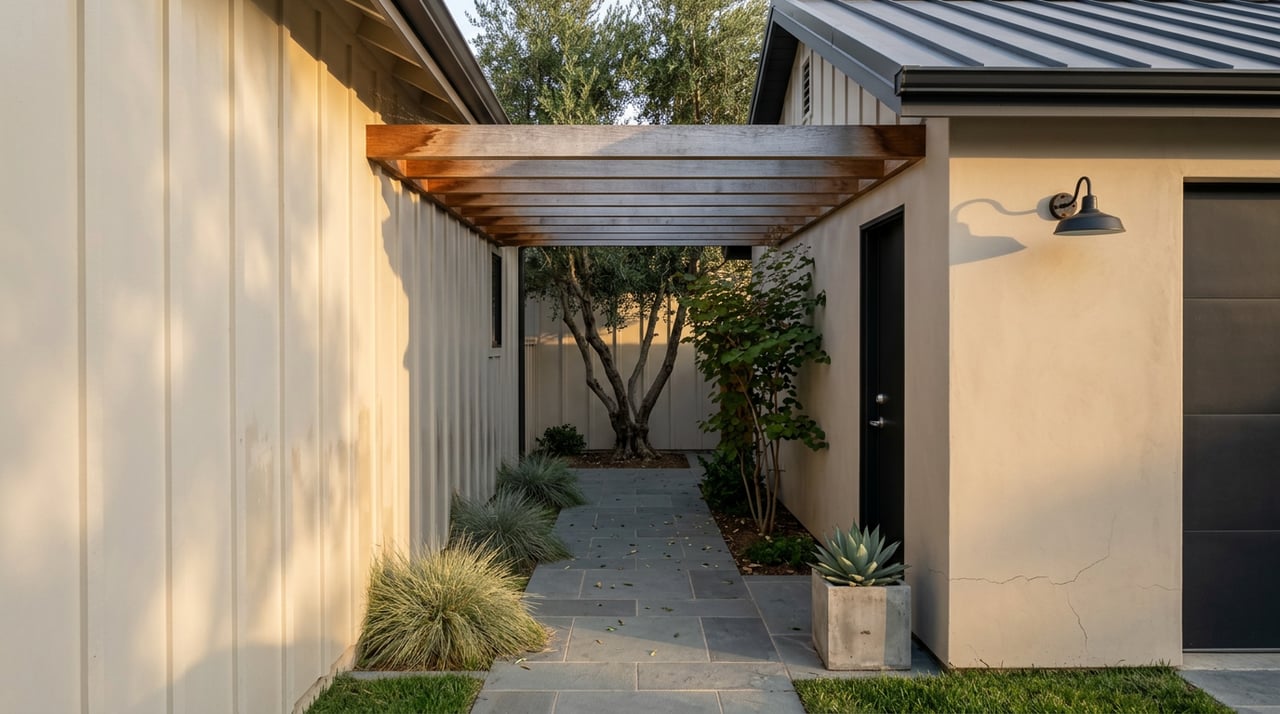
- improving the front entry
- fixing obvious maintenance issues
- staging key rooms
- updating listing photos after prep is complete
This approach lines up with national remodeling and staging data cited in the research. NAR says painting the entire home, painting one room, and roofing are among the most commonly recommended seller-prep projects. NAR also reports that 83% of buyers’ agents say staging helps buyers visualize a property, while about half say staged homes spend less time on the market.
In a market like Houston, that is important. Buyers are less willing to compromise on condition than they used to be, and HAR notes that thoughtful staging, professional photos, and fixing obvious deferred maintenance have become baseline expectations.
Small Updates That Can Pay Off
Not every improvement has to be expensive to matter. In fact, some lower-disruption projects tend to recover a stronger share of their cost than major remodels.
According to NAR’s cost-recovery data, examples include:
- new steel front door: 100%
- closet renovation: 83%
- new fiberglass front door: 80%
- new vinyl windows: 74%
- new wood windows: 71%
These kinds of projects can improve first impressions and support the overall story of a well-maintained home. If your front entry looks tired, your windows look worn, or your storage feels awkward, selective upgrades may help your home feel more competitive without pushing you into a full renovation budget.
Fix Repairs Before You Think About Remodeling
If your home has known issues, repairs usually deserve priority over cosmetic upgrades. In Houston, roof condition, drainage, plumbing, electrical systems, HVAC performance, and any signs of water intrusion can influence both buyer confidence and the transaction itself.
That is not just a marketing issue. Texas Seller’s Disclosure Notice asks sellers to disclose known defects in areas such as roof, foundation, plumbing, electrical systems, water damage, flooding, prior structural or roof repairs, and unpermitted alterations or repairs.
So before you consider redoing a kitchen, ask a more important question: are the basics solid and documented? If the answer is no, that is often where your pre-listing budget should go first.
Why Houston Sellers Should Take Water and Roof Issues Seriously
In Houston, buyers tend to pay close attention to anything tied to moisture, drainage, or major systems. Even if you choose not to renovate, these issues can become sticking points during showings, inspections, or negotiations.
Roofing is one of the top seller-prep projects agents commonly recommend, according to NAR. Houzz places median roofing spend at about $13,000, which is not small, but it may be far more important than cosmetic work if your roof condition is likely to raise questions.
The same logic applies to visible water damage, unresolved plumbing leaks, or electrical concerns. Buyers may accept dated finishes more easily than they accept uncertainty about core systems.
When a Kitchen or Bath Remodel Makes Sense
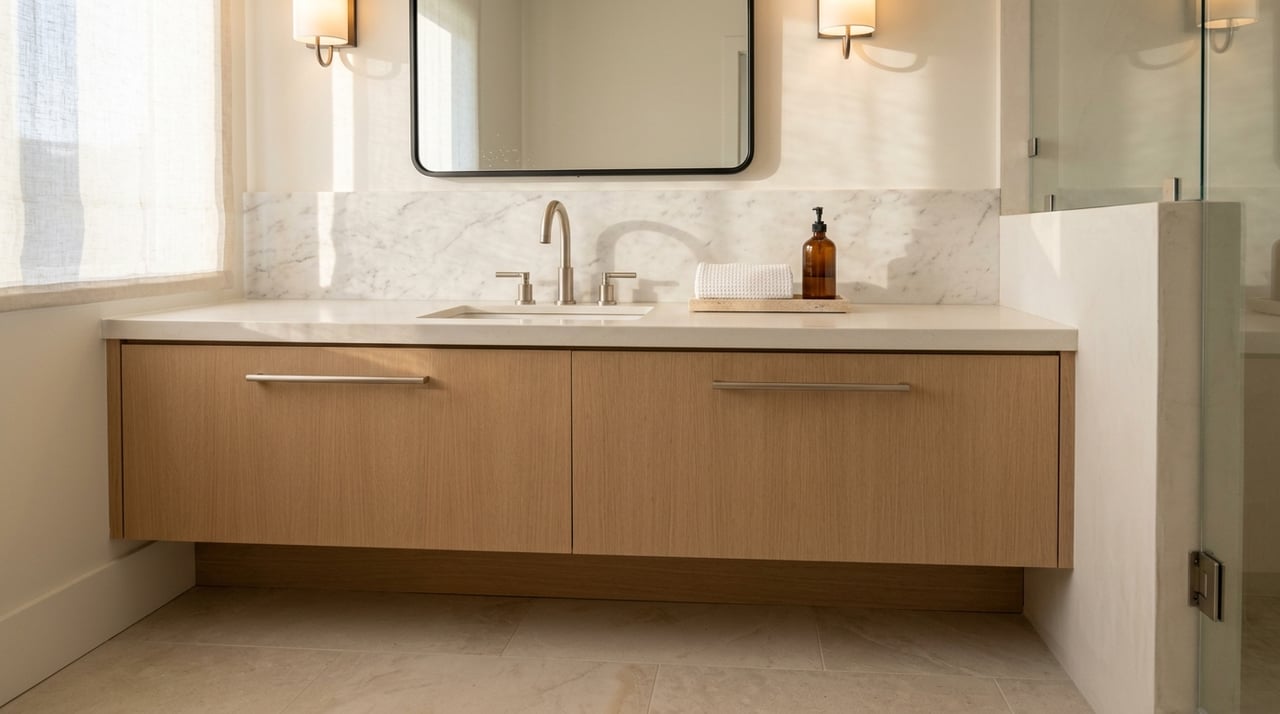
A full kitchen or bath remodel can help in the right situation, but it is usually not the first move for most Houston sellers. These projects cost more, take longer, and often recover only part of the investment.
Houzz reports a median kitchen remodel spend of $22,000 overall, with major remodels running much higher. Primary bath remodels also add up quickly, with median costs around $13,000 overall and significantly more for larger projects. NAR estimates cost recovery at about 60% for kitchen work and about 50% for a bathroom renovation.
That does not mean you should never do one. It means you should be selective.
Remodel if the room drags down value
A deeper renovation may make sense if your kitchen or bath is clearly pulling your home below the local comp set. If nearby homes in your price range offer updated but not extravagant finishes, and your space feels severely dated or visibly worn, a targeted remodel could help narrow that gap.
This is especially true if the room creates a negative first impression that simple paint, lighting, hardware, or staging cannot solve. In that case, the project may support your sale price and reduce the chance of long market time.
Skip it if the market will not absorb it
In many cases, especially in suburban areas with active builder competition, a big custom renovation is not the smartest play. HAR notes that builders in places like Katy, Cypress, The Woodlands, and Pearland are using incentives such as rate buydowns and closing-cost credits.
That means resale sellers often win by offering a home that feels move-in ready, clean, and well maintained, not by trying to outbuild a new home. A tasteful, current look with documented repairs is often a safer investment than an expensive custom remodel.
Don’t Forget Timing and Permits
Even smaller projects can create stress if you start too late. The City of Houston notes that many permits go through the Houston Permitting Center, some trades require licensed contractors for permit applications, and permit work is subject to inspection.
In plain terms, seller prep should start earlier than many owners expect. Houzz says 9 in 10 renovating homeowners hired professionals in 2024, and NAR says 31% of remodeling projects took longer than planned. If you are aiming for a spring or early summer listing, it helps to build in a time buffer instead of counting on everything going perfectly.
Historic district and landmark homes need extra care
If your property is a landmark or sits in a historic district, exterior work may need added review through the City of Houston. The city notes that some ordinary maintenance may be exempt from a certificate of appropriateness, but a building permit could still be required.
That can matter in inner-loop areas where exterior changes are more visible and more likely to be regulated. If your prep list includes windows, doors, siding, or other exterior updates, timing and approvals deserve early attention.
Keep Every Record
When you do pre-listing work, documentation matters. Texas disclosure forms ask about prior repairs, flooding, water damage, structural work, roof repairs, and unpermitted alterations or repairs.
That means your receipts, contractor information, permits, and scope of work are part of your resale file. Good records can help answer buyer questions, reduce confusion, and support smoother negotiations once your home is under contract.
A Smart Houston Seller’s Renovation Plan
For most sellers, the best answer is not “renovate everything” or “do nothing.” It is a selective plan built around your home’s condition, your submarket, and the likely return on each dollar.
A practical approach often looks like this:
- repair known defects and maintenance issues
- address roof, water, drainage, or system concerns first
- refresh paint and finishes where needed
- improve curb appeal and first impressions
- declutter, clean, and stage the home
- consider larger kitchen or bath work only if local comps justify it
- keep records for all completed work
That kind of plan supports the sale rather than distracting from it. In Houston’s current market, buyers still respond to homes that feel cared for, priced appropriately, and ready for the next owner.
The Bottom Line for Houston Sellers
If you are preparing to sell in Houston, you probably do not need a full pre-listing remodel. In most cases, selective repairs, light cosmetic updates, strong presentation, and disciplined pricing are the better path.
The right strategy depends on your neighborhood, your competition, and the condition of your home today. With the right prep plan, you can avoid over-improving, protect your timeline, and bring your home to market with confidence.
If you want help building the right pre-listing plan for your Houston home, The Jesse Group can help you assess what is worth doing, coordinate preparation, and position your property for a strong launch.
FAQs
Should you renovate before selling a home in Houston?
- Usually, a selective prep plan works better than a full remodel. For many Houston sellers, repairs, paint, staging, curb appeal, and addressing obvious maintenance issues offer a better balance of cost, speed, and resale impact.
What repairs matter most before selling a house in Houston?
- Roof issues, drainage concerns, plumbing, electrical, HVAC, and water intrusion tend to matter most because they affect buyer confidence, inspections, and Texas disclosure obligations.
Do kitchen remodels pay off when selling in Houston?
- Sometimes, but not always. A kitchen remodel may make sense if your current kitchen clearly drags your home below neighborhood comps, but major remodels usually recover only part of their cost.
Is staging worth it when selling a Houston home?
- Yes, staging can help buyers picture how the home lives. Research cited here shows many agents believe staging helps visualization, can reduce time on market, and may support stronger offers.
Do you need permits for pre-listing renovation work in Houston?
- Some projects do require permits and inspections through the City of Houston, and certain trades may require licensed contractors to apply. If your home is in a historic district or is a landmark, exterior work may also need additional review.
Should sellers in Katy, Sugar Land, or The Woodlands renovate before listing?
- It depends on the home and the competition. In suburban areas with active new-construction competition, clean presentation, current finishes, and documented repairs are often more effective than a large custom remodel.