Relocating from California to Austin can feel exciting and a little disorienting at the same time. You may be looking for more space, a different pace, or a better overall cost picture, but you also want to understand what really changes once you start shopping for a home. This overview will help you compare Austin to Orange County in practical terms, from pricing and housing styles to taxes, HOAs, and closing. Let’s dive in.
Austin affordability at a glance
For many California buyers, the first big difference is cost. Based on 2020 to 2024 American Community Survey data, Austin’s median value of owner-occupied housing units was $555,300, compared with $962,600 in Orange County. That is a substantial gap and often the reason Austin lands on the shortlist for relocation.
Monthly housing costs also look different on paper. The same Census data shows median selected monthly owner costs with a mortgage at $2,679 in Austin versus $3,385 in Orange County. Median gross rent was also lower in Austin, at $1,729 compared with $2,434 in Orange County.
That said, lower price does not always mean a dramatically lower monthly payment. In Texas, property taxes are locally assessed and administered, so you need to compare the full payment, not just the purchase price. A smart side-by-side review should include principal and interest, property taxes, insurance, HOA dues, and closing costs.
Austin market pace feels different
If you are used to Orange County competition, Austin may feel more manageable. Redfin’s May 2026 snapshot shows Austin with a median sale price of $542,460, down 2.3% year over year. Homes were selling in about 48 days and, on average, for about 3% below list price.
Orange County tells a different story. Redfin’s May 2026 data shows a median sale price of $1,255,983, up 4.7% year over year. For a California buyer, that contrast can mean more room to negotiate and more time to evaluate options in Austin.
This matters because relocation decisions are rarely just about price. A softer market can give you space to think clearly about neighborhood fit, commute, lot size, HOA rules, and resale potential rather than making every decision under pressure.
Austin lifestyle differences to expect
Austin and Orange County are not just different in price. They also differ in density and daily rhythm. Census data shows Austin at 3,006.4 people per square mile, while Orange County is denser at 4,019.7.
Commute time is another practical difference. Austin’s mean commute time is 23.7 minutes, compared with 26.7 minutes in Orange County. That does not guarantee an easy drive in every part of Austin, but it does suggest a different day-to-day experience overall.
For many buyers, that translates into a market that can feel a bit less compressed. You may find more breathing room in how neighborhoods are laid out, especially when comparing outer areas of Austin with more built-out parts of coastal and suburban Southern California.
Austin housing styles and product mix
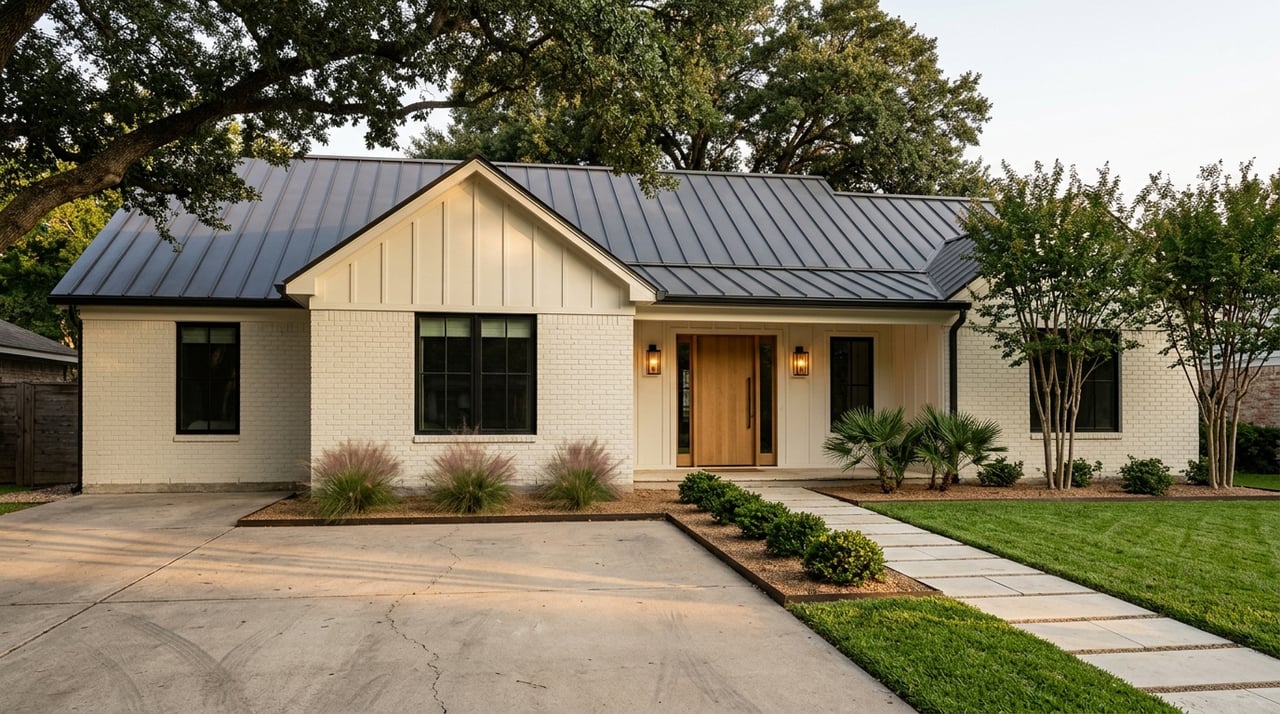
Austin offers more variety than many out-of-state buyers expect. City of Austin land development information says 44.8% of Austin housing units are detached single-family homes. That means detached homes still anchor the market, but they are not the whole story.
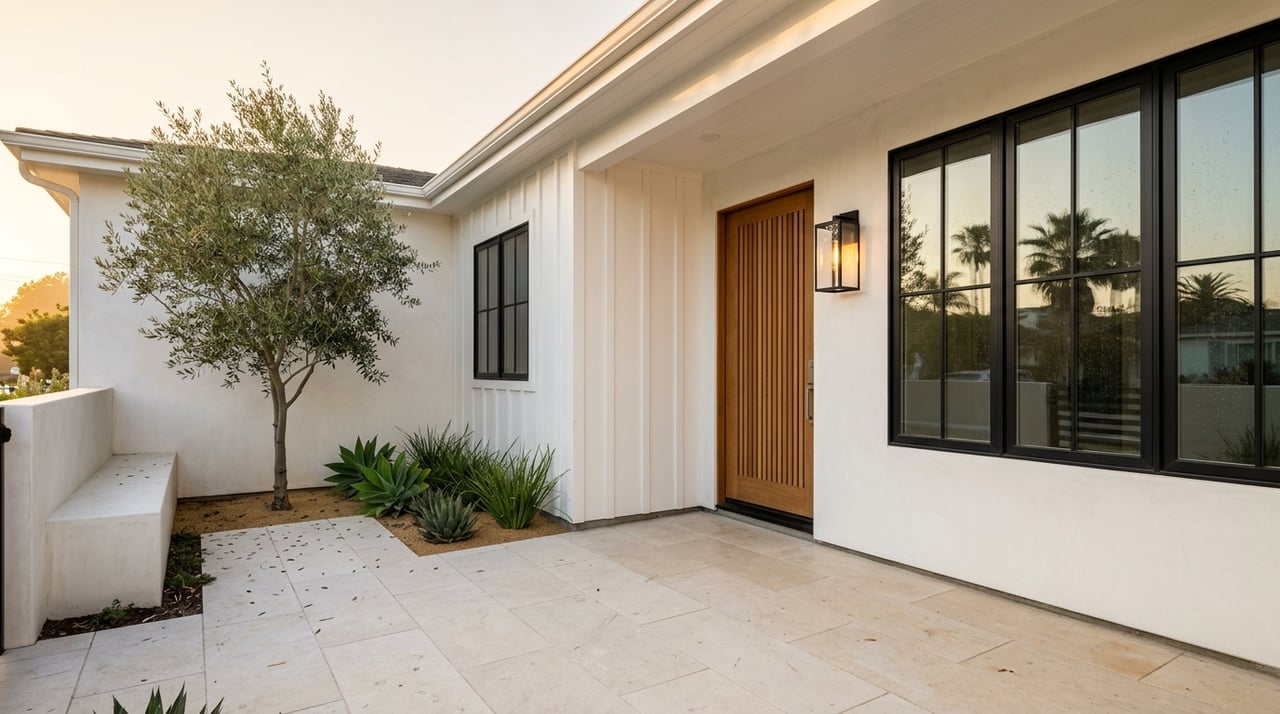
The city’s historic district materials also point to a broad mix of architectural styles, including Craftsman bungalows, Tudor Revival, Minimal Traditional, Ranch, and Mid-century Modern homes. In practical terms, what you see often depends heavily on where you search.
In central areas, you may encounter older homes, smaller lots, and more neighborhood-by-neighborhood variation. In outer-ring and newer communities, the tradeoff often shifts toward newer construction and more yard space, sometimes with a longer drive.
Austin also includes housing types that sit between a detached home and a large apartment building. The city’s Strategic Housing Blueprint describes “Missing Middle” housing as that range of options, and the city defines ADUs as separate dwelling units on the same property as a single-family home. If you are comparing Austin with a mature, built-out market like Orange County, that neighborhood contrast may be one of the biggest differences you feel on the ground.
How to think about neighborhood fit
When you start your Austin search, it helps to focus less on broad assumptions and more on tradeoffs. A central location may give you quicker access to work, restaurants, or entertainment, but often with older housing stock and tighter lots. A newer outer-area community may offer more space, newer finishes, and a more planned layout.
That does not make one option better than the other. It simply means your search will go more smoothly if you define your priorities early. Think in terms of home age, lot size, commute tolerance, HOA structure, and how much renovation or updating you are willing to take on.
For California buyers, this is often where local guidance matters most. Two neighborhoods at a similar price point can feel completely different in Austin depending on the age of the homes, deed restrictions, and the overall development pattern.
HOA rules matter in Texas
If you are moving from California, do not assume HOA documents will work the same way in practice. The Texas State Law Library explains that no state agency oversees HOAs in Texas. It also notes that Chapter 209 of the Texas Property Code sets standards on issues like records access, dues, lien foreclosures, meetings, and voting rights.
Just as important, HOA governing documents control many of the day-to-day restrictions and procedures. That can include architectural standards, fines, rental limits, and other use rules. In newer and master-planned communities, those documents can shape your ownership experience in a very real way.
HOA assessments also deserve close attention. According to the Foundation for Community Association Research, assessments commonly fund operations, reserves, utilities, security, insurance, common-area maintenance, landscaping, capital projects, and amenities. In other words, dues are not just another line item. They support the way the community functions.
HOA review checklist for Austin buyers
Before you write an offer, make HOA due diligence a core part of your process. Pay close attention to:
- Monthly or quarterly dues
- Reserve funding and overall budget health
- Architectural review rules
- Rental restrictions or lease caps
- Maintenance responsibilities
- Amenity access and related costs
- Rules that affect parking, exterior changes, or property use
This is especially important if you are considering new construction or a master-planned community. Those neighborhoods can offer convenience and amenities, but the governing documents should be reviewed with care before you commit.
Texas closing feels familiar but different
The overall timing of a financed purchase may not change as much as you expect. For most mortgages, the Closing Disclosure must be delivered at least three business days before closing. Freddie Mac also says the closing period is typically 30 to 45 days, with an average purchase-loan close of 43 days.
For a California buyer, that means the broad timeline may feel familiar. What changes is the need to keep every moving part on schedule, especially when you are coordinating a relocation, underwriting conditions, document delivery, and a possible rate lock.
Rate lock timing matters too. The CFPB notes that rate locks are commonly offered for 30, 45, or 60 days. If your move depends on selling, traveling, or coordinating across states, that timing should be part of your planning from the start.
Texas title and closing process
One of the more noticeable differences is how closing is organized. The California Department of Real Estate says most real estate escrows in California are handled by independent escrow companies or title insurance companies. In Texas, title companies search title, issue title policies, and often handle the closing transaction.
Texas title insurance premiums are regulated and include the title search, title examination, and closing the transaction. So while the protections may feel familiar, the workflow and fee structure can feel different from what you know in California.
This is where organized transaction support can make a relocation easier. When you are buying from out of state, keeping lending coordination, title communication, and deadlines aligned can reduce stress and help you avoid last-minute surprises.
Taxes and monthly payment planning
Texas has no state personal income tax, which is a major point of interest for many California movers. The Texas Governor’s business climate page highlights that benefit. At the same time, the Texas Comptroller explains that there is no state property tax, and that local taxing units and county appraisal districts handle assessments and exemptions.
California works differently. The state points taxpayers to the Franchise Tax Board for state income tax, and the California Board of Equalization explains that Proposition 13 generally limits the basic property tax rate to 1% plus voter-approved bonded indebtedness, reassesses property on change of ownership or new construction, and generally caps annual assessed value increases at 2%.
The takeaway is simple. Do not evaluate Austin only through headline price or the lack of state income tax. Your real comparison should be your full monthly ownership cost and how that fits your long-term goals.
What California buyers should do first
If Austin is on your radar, start with a clear relocation framework. That usually means identifying your purchase range, target monthly payment, preferred housing type, and ideal timeline before you start touring homes.
From there, compare neighborhoods through the lens of everyday living. Look at commute patterns, home age, lot size, HOA structure, and whether you want established character or newer construction. Those choices tend to shape satisfaction more than broad market headlines.
Finally, build your team early. A cross-state move has more moving pieces, and strong coordination can help you make decisions with confidence instead of reacting under pressure.
If you are weighing Austin against California and want a more strategic, side-by-side plan, The Jesse Group can help you navigate the search, compare costs clearly, and coordinate your move with less friction.
FAQs
What makes Austin more affordable than Orange County for homebuyers?
- Austin has lower median home values, lower median monthly owner costs with a mortgage, and lower median rent based on 2020 to 2024 Census data.
How competitive is the Austin housing market compared with Orange County?
- Redfin’s May 2026 data shows Austin as a softer market, with homes selling in about 48 days and averaging about 3% below list price, while Orange County had a much higher median sale price and year-over-year price growth.
What housing types should California buyers expect in Austin?
- Austin includes many detached single-family homes along with older historic styles, ADUs, and other in-between housing types, with the biggest differences often appearing from one neighborhood area to another.
Why are HOA documents important for Austin homebuyers?
- In Texas, HOA governing documents can control restrictions, fines, rental rules, architectural standards, and procedures, so reviewing them carefully is a key part of due diligence.
How does the Texas closing process differ from California for buyers?
- In Texas, title companies often handle title work and the closing transaction, which can feel different from California’s more common escrow structure even when the overall purchase timeline is similar.
Should California buyers focus only on Austin home prices?
- No. You should compare the full monthly cost of ownership, including mortgage payment, property taxes, insurance, HOA dues, and closing costs, rather than looking only at the purchase price.