Are you dreaming about waking up to mountain views, manicured greens, and the quiet rhythm of resort living? If you are considering a fairway home in La Quinta, you are not alone. This city draws buyers who want more than a house, and understanding the ownership details upfront can help you buy with confidence. Let’s dive in.
Why La Quinta draws golf-home buyers
La Quinta has built a strong identity around golf and desert resort living. The city says it has more than 20 golf courses and serves as the host city for the PGA Tour's American Express tournament. It also notes a large winter and spring seasonal population, which helps shape both the lifestyle and the market.
The climate is part of the appeal too. La Quinta describes itself as a hot, arid desert city with an average temperature around 75 degrees and less than 5 inches of rain each year. For many buyers, that means more sunny days, more time outdoors, and a lifestyle centered around patios, pools, and golf.
What fairway living feels like
Living on the fairway in La Quinta often means enjoying a strong connection to the outdoors. You may have open views, easy access to courses, and a setting designed around walkable streets, clubhouses, and shared amenities. For second-home buyers, seasonal residents, and full-time owners, that can create a very distinct day-to-day experience.
That said, the lifestyle is not only about the view. La Quinta's seasonal rhythm matters. The city highlights heavier winter and spring activity, while summer play continues with heat-adapted golf experiences, so your experience may shift by season depending on how often you use the home and when you plan to host guests.
La Quinta home styles to expect
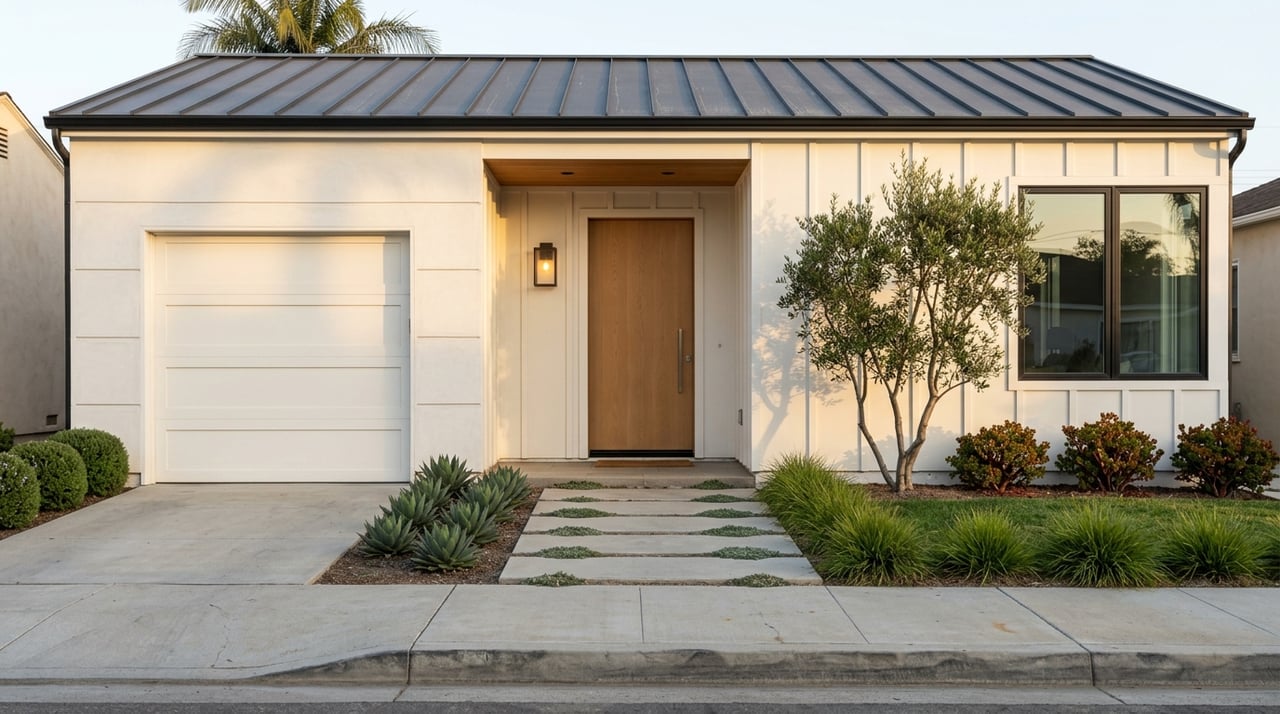
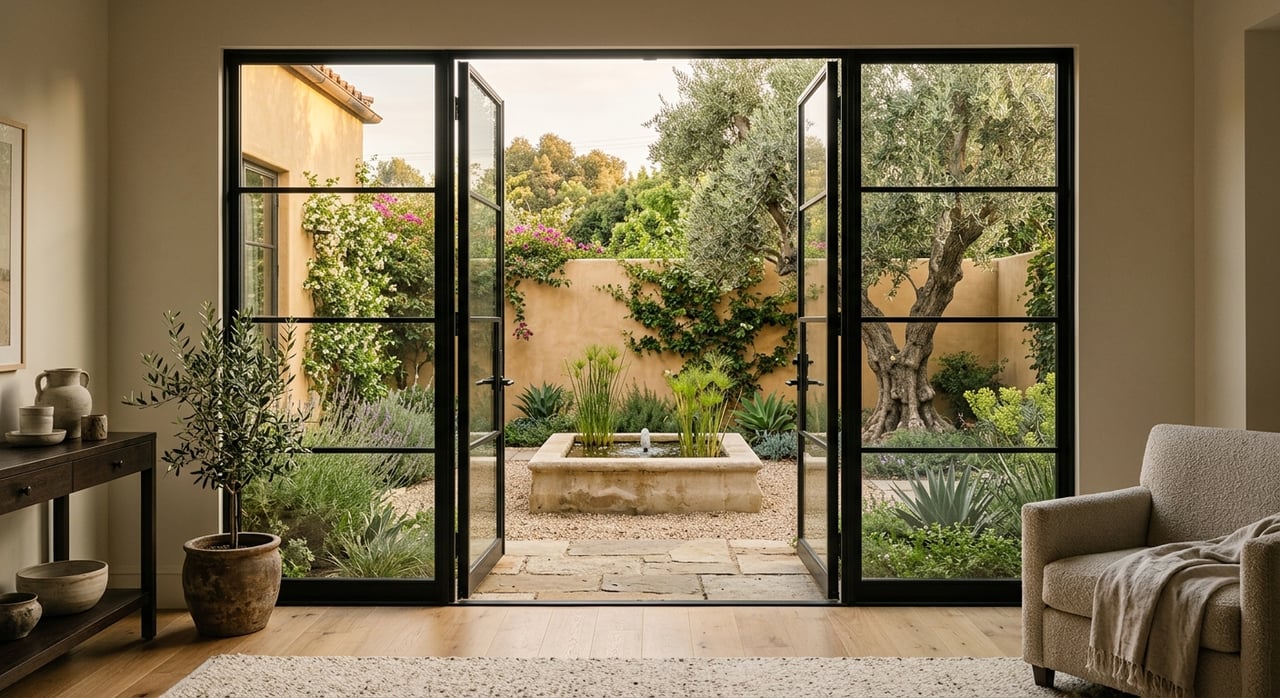
La Quinta fairway homes are often tied to the area's desert-resort design language. City materials and architectural guidance point to integrated design, varied roof heights, accentuated entries, decorative wall treatments, courtyards, compatible fencing, and water-efficient landscaping. In practical terms, many buyers will recognize a mix of Spanish, Mediterranean, and contemporary desert influences.
This design approach fits both the history and the climate. The city references Mediterranean-style neighborhoods, while La Quinta Resort's early story reflects Spanish-style casitas. When you tour homes, you will likely see features meant to balance curb appeal with desert durability.
Desert ownership basics
Owning in La Quinta comes with practical considerations that deserve real attention during your search. The city lists climate zone 15, a mean annual temperature of 72.3 degrees, wind design of 95 to 100 mph, and very heavy termite exposure. Those details help explain why exterior materials, shade, irrigation, and ongoing maintenance matter so much here.
If you are comparing homes, look beyond finishes and floor plans. Ask how the property handles sun exposure, how the landscaping is maintained, and what systems support outdoor living. In a desert market, long-term comfort often comes down to how well the home was designed and maintained for the environment.
HOA rules matter
Many La Quinta golf communities are governed by homeowners associations. According to the California Attorney General, HOAs make and enforce rules, charge fees and assessments, and operate through CC&Rs that define owner rights and responsibilities. That means your ownership experience may be shaped as much by community rules as by the home itself.
California Department of Real Estate guidance also makes an important point for buyers. When you purchase a property subject to CC&Rs, you are effectively agreeing to follow them. The disclosure package also includes assessment and reserve funding information, which can help you evaluate the financial side of the association before you close.
Club membership is separate
One of the most common misunderstandings with golf homes is assuming club access automatically comes with ownership. In many La Quinta communities, that is not the case. Club membership may be optional, tiered, invitation-based, or otherwise separate from the deed to the home.
PGA WEST, for example, describes membership as being by referral and invitation, with tiered options tied to courses and amenities. For you as a buyer, that means it is smart to ask early what comes with the property, what does not, and whether access to golf or club amenities requires a separate approval or fee structure.
Renting a fairway home
If you are thinking about offsetting costs with rental income, this is one of the most important areas to verify before making an offer. The City of La Quinta defines a short-term vacation rental as a dwelling rented for 30 consecutive days or less. The city requires both an STVR permit and a business license before a property can be advertised or rented on that basis.
The city's current rules are especially important. New STVR permits are currently banned in the General and Primary categories except in limited exempt areas. Homeshare permits require owner occupancy, and some large-lot properties may qualify under separate conditions.
The city also states that STVR stays are subject to a 10% transient occupancy tax and a 1% TBID assessment on stays of 27 days or less. Just as important, STVR permits are not transferable and close on sale. In simple terms, you cannot assume a seller's rental approval will stay with the property after you buy it.
HOA rental limits may be stricter
City rules are only part of the picture. An HOA may impose rental restrictions that are more limiting than the city's baseline rules. Rancho La Quinta is one example in the research, where short-term rentals are prohibited and rentals must be longer than 30 consecutive days, with advertising under 30 days treated as a CC&R violation.
This is why rental flexibility should always be verified at two levels:
- City permit rules
- Neighborhood or HOA rules
- Any club-related limits tied to tenant use
If you are buying with investment goals in mind, this step can protect you from costly assumptions.
What happens when you rent
Even in communities where leasing is allowed, club access may not transfer the way you expect. Rancho La Quinta's HOA rules show that if a home is rented, golf club amenities may not be delegated. That can affect how attractive the property is to tenants and how you evaluate its income potential.
Before you buy, ask direct questions about what a renter can and cannot use. A property that looks ideal on paper may function very differently once club rules, HOA policies, and rental terms are applied.
Property tax timing to know
Property taxes are another ownership detail worth planning for early. The California State Board of Equalization says property taxes are based on assessed value, generally established when a property changes ownership or is newly constructed. Ownership changes or new construction can also trigger supplemental tax bills.
For buyers, that means your first year of ownership may include more than the regular annual bill you expected. It is a good reminder to budget carefully and review estimated ownership costs as part of your decision-making process.
Smart questions before you buy
La Quinta fairway homes can offer a beautiful lifestyle, but the best purchases happen when you match the property to your real goals. Before you move forward, make sure you understand how the home fits your plans for personal use, club access, seasonal living, and possible rental income.
A few smart questions to ask include:
- Is club membership optional, tiered, or required separately?
- Do the HOA rules allow rentals under 30 days?
- Is the parcel in an STVR-exempt area?
- What do the assessments and reserve funds look like?
- If the home is rented, do club privileges change?
Those answers can shape both your lifestyle and your long-term costs.
Why details matter in La Quinta
Buying on the fairway in La Quinta is about more than finding a home with a great view. You are also buying into a desert environment, a seasonal resort market, and a specific set of rules that may affect maintenance, memberships, and rental use. The more clearly you understand those layers, the more confident your purchase decision becomes.
If you are exploring golf homes in La Quinta, working with a team that can help you sort through property-specific details can save time and reduce surprises. To talk through your goals and evaluate the right fit, connect with The Jesse Group.
FAQs
What makes La Quinta appealing for fairway-home buyers?
- La Quinta is known for having more than 20 golf courses, hosting the American Express PGA Tour event, and offering a warm desert climate with strong winter and spring seasonal activity.
What architectural styles are common in La Quinta golf communities?
- Buyers often see Spanish, Mediterranean, and contemporary desert design, along with courtyards, accentuated entries, decorative walls, and water-efficient landscaping.
What should buyers know about HOA rules in La Quinta?
- Many golf communities have HOAs that enforce CC&Rs, collect fees and assessments, and set rules that can affect property use, rental options, and owner responsibilities.
Does buying a golf home in La Quinta include club membership?
- Not always. Club membership may be separate from homeownership and can be optional, tiered, or invitation-based depending on the community or club.
Can you use a La Quinta fairway home as a short-term rental?
- You should verify both city and HOA rules, because the City of La Quinta requires permits and licenses for STVR use, current permit availability is limited, and some HOAs prohibit short-term rentals altogether.
What happens to a La Quinta STVR permit when a home is sold?
- STVR permits are not transferable and close on sale, so a buyer cannot rely on the seller's permit carrying over after the transaction.
Are there extra tax costs after buying a home in La Quinta?
- There can be. A change in ownership or new construction may trigger supplemental property tax bills during the first year of ownership.